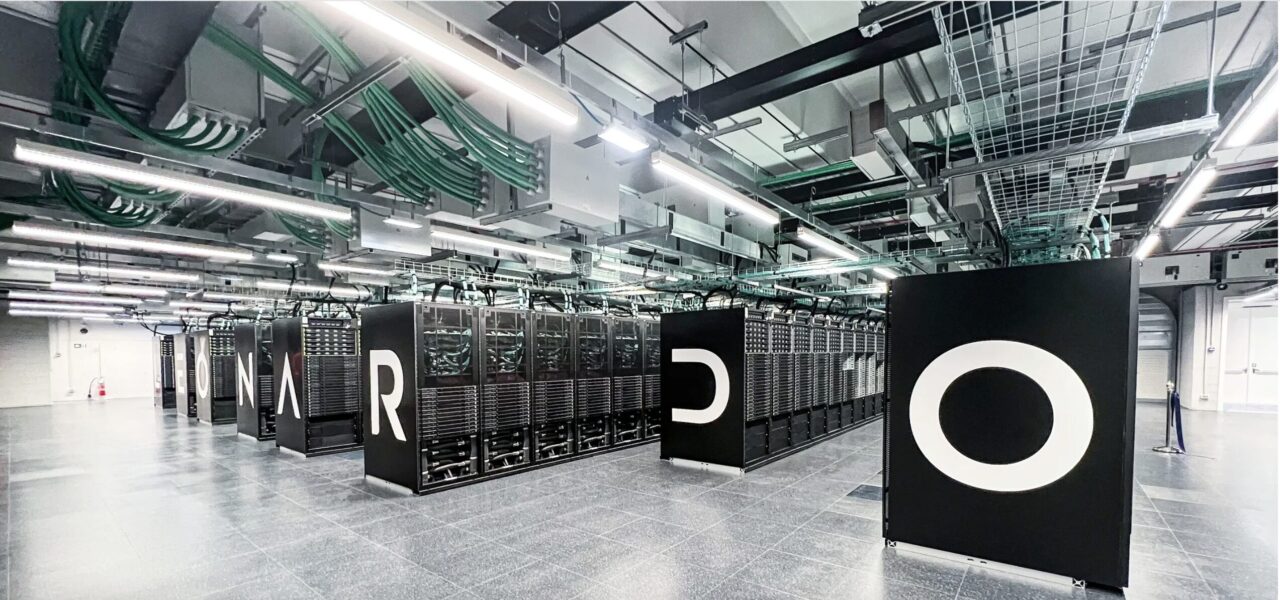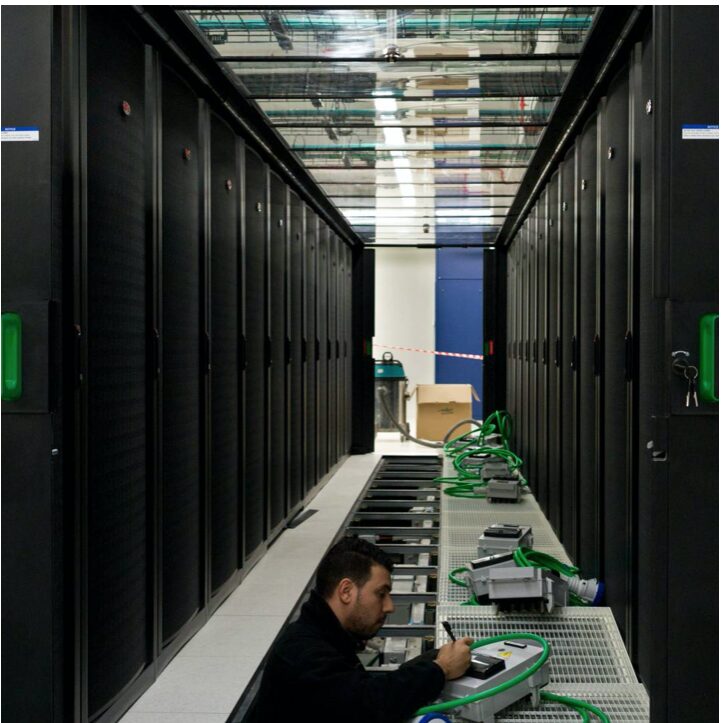
Modularity, power continuity, and scalability are redefining how electrical distribution is designed in modern Data Centers.
Power continuity is one of the most critical elements within a Data Center.
Today, however, the challenge is no longer just about energy availability, but about the ability of the entire infrastructure to guarantee operational continuity, flexibility, and long-term scalability.
With the increase in power density, artificial intelligence workloads, and IT demand, Data Centers are becoming increasingly complex infrastructures. For this reason, electrical distribution can no longer be considered just a technical component, but a strategic part of the entire ecosystem.
According to several industry studies focused on critical infrastructures, modern Data Centers require modular and scalable architectures designed to support future growth without compromising uptime, reliability, and operational continuity.
Why Downtime Is the Real Problem
When discussing Data Centers, attention is often focused on UPS systems, generators, and backup systems.
In reality, electrical distribution itself has a direct impact on operational continuity.
Any complex intervention on the electrical infrastructure can lead to:
- risk of operational downtime
- longer maintenance times
- expansion difficulties
- increased installation complexity
- more critical points within the infrastructure
According to various international analyses dedicated to Data Centers, infrastructure modularity and standardization are key factors in reducing downtime, operational inefficiencies, and management complexity.
Data Center Growth Is Changing Power Distribution Requirements
Next-generation Data Centers must be able to scale quickly.
Rack expansion, increasing IT loads, and the continuous evolution of AI technologies are changing how power distribution systems are designed.
According to numerous white papers focused on mission-critical infrastructures, modern busway architectures enable more flexible and scalable power distribution management compared to traditional systems, simplifying future modifications and infrastructure reconfigurations.
Industry analyses also highlight how modular Data Centers are becoming an increasingly common standard thanks to:
- faster implementation
- predictable design
- flexibility
- future scalability
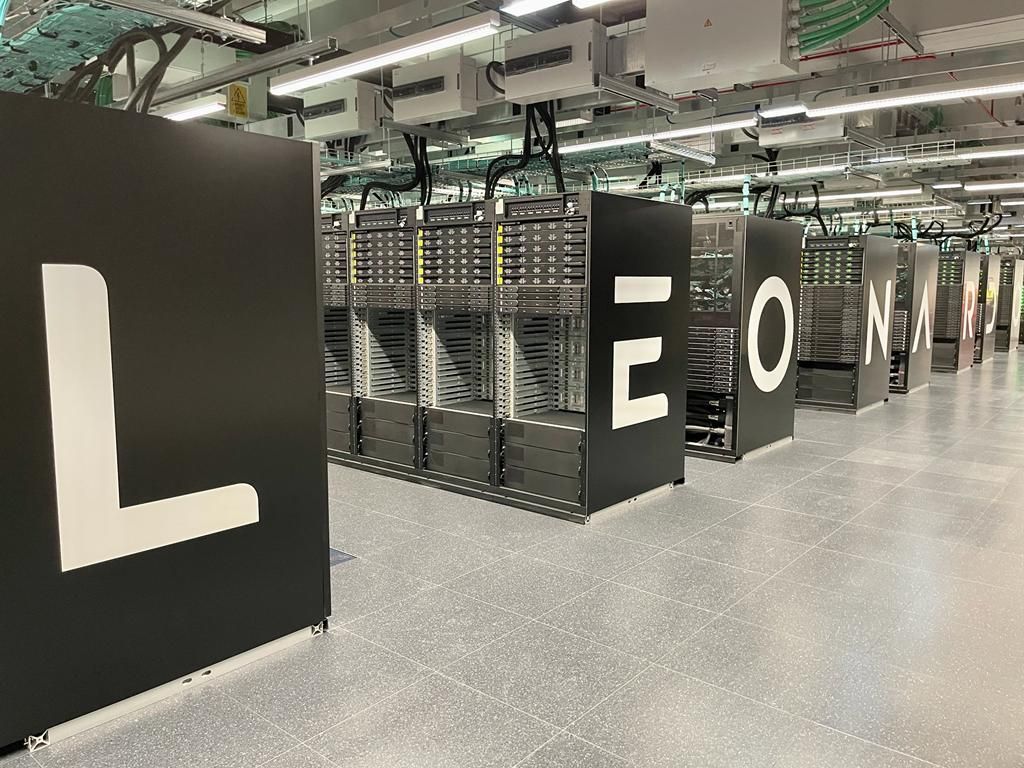
Why Busway Systems Are Becoming a Strategic Choice
In this context, busway systems for Data Centers are playing an increasingly central role in the design of critical infrastructures.
Compared to architectures based exclusively on traditional cabling, busway systems for Data Centers allow companies to:
- optimize technical spaces
- simplify future expansions
- reduce invasive interventions
- improve accessibility and maintenance
- increase infrastructure modularity
In high-density Data Centers, these aspects become essential for maintaining operational continuity and supporting future growth.
Where Busway Systems Really Make a Difference
In a Data Center, the ability to add new power lines without heavily modifying the existing infrastructure represents a significant operational advantage.
Modular systems such as busway solutions allow operators to:
- accelerate future expansions
- simplify maintenance operations
- improve accessibility and infrastructure organization
- reduce the operational impact of modifications
These aspects are becoming increasingly important in high-density Data Centers, where flexibility and continuity must coexist with constant growth requirements.
The Role of Standards: IEC 61439
Reliability and safety must also be supported by regulatory compliance.
The international standard IEC 61439 defines the requirements for low-voltage power distribution systems, including busbar trunking systems (busway).
The standard includes verification requirements related to:
- thermal performance
- short-circuit withstand capability
- insulation
- protective circuit continuity
- mechanical resistance
- IP protection ratings
In mission-critical environments such as Data Centers, these elements are essential to ensuring safety and operational continuity.
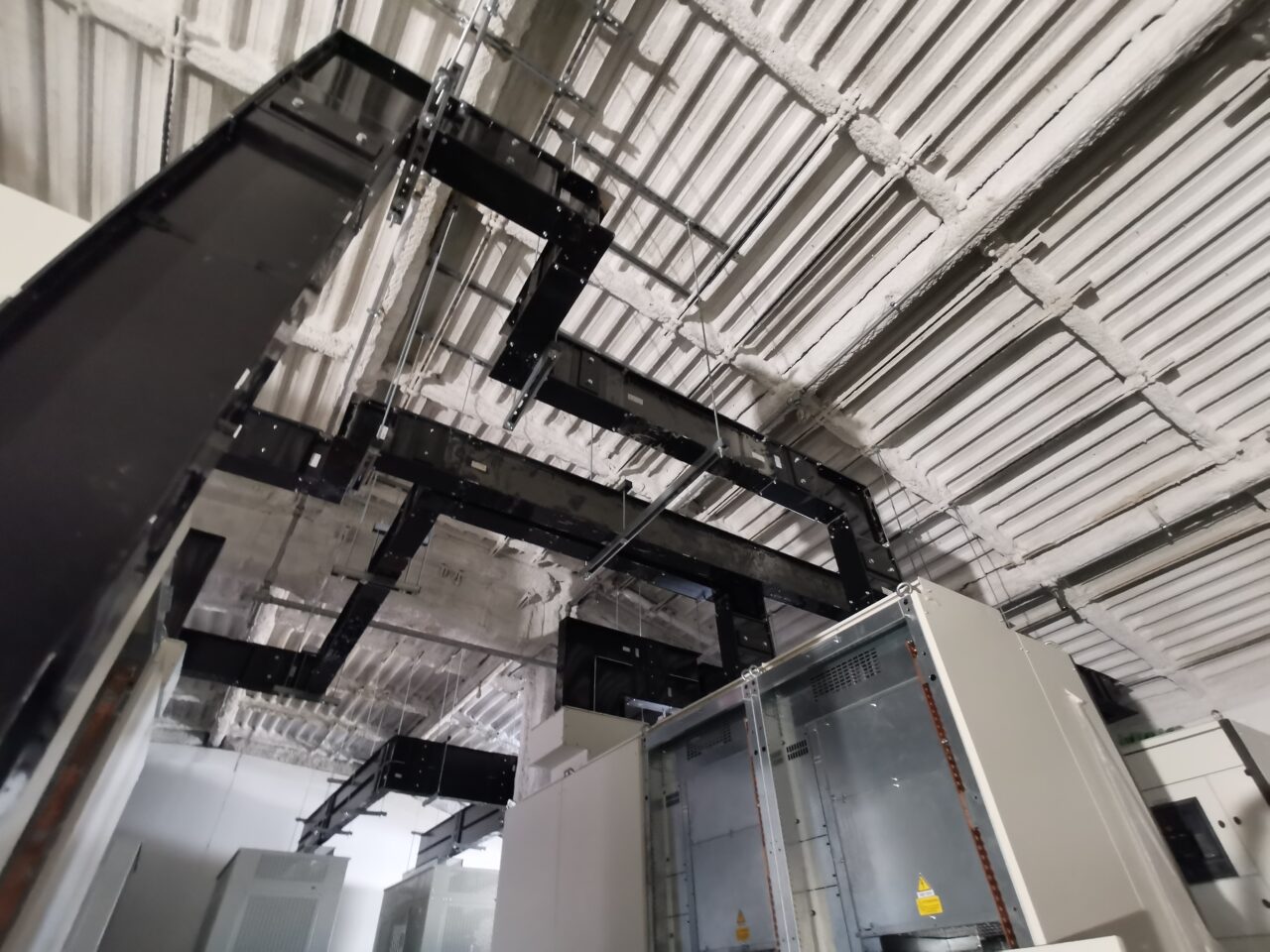
Modularity Means Designing for the Future
Data Centers are no longer static infrastructures.
They must evolve quickly, adapt to increasing loads, and support increasingly energy-intensive technologies without interrupting operations.
For this reason, modularity, scalability, and accessibility are no longer optional technical advantages, but essential design criteria.
And this is exactly where electrical distribution systems designed for operational continuity can make a real difference.
Solutions such as ISOLSBARRA by Graziadio & C. and modular electrical distribution systems designed for critical applications help address requirements related to:
- power continuity
- reliability
- protection
- modularity
- future scalability
within a single infrastructure designed to grow over time.
Because today, the real risk in Data Centers is not losing power.
It is no longer being able to operate.
Learn more about electrical distribution solutions for Data Centers on Graziadio & C..